Baked Teriyaki Salmon
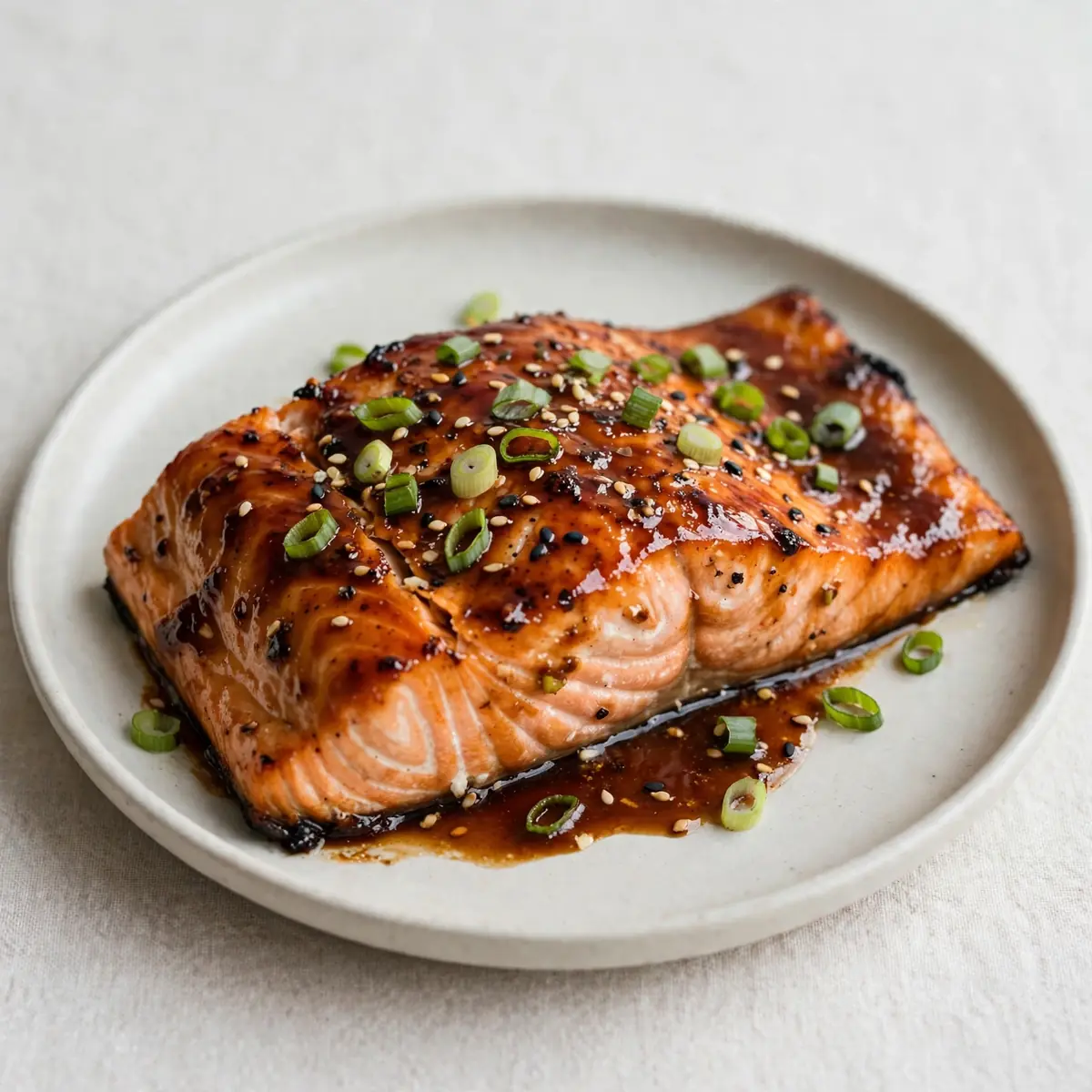
Some nights, you need a dinner that feels like a triumph without actually requiring any culinary heroics. For my family, that recipe is this Baked Teriyaki Salmon — a dish that turns a humble fillet into something glossy, savoury, and deeply satisfying, all while leaving you with just one dish to wash.
Recipe Overview
- Prep time: 10 minutes
- Cook time: 15-18 minutes
- Total time: 25-28 minutes
- Servings: 4
- Difficulty: Easy
Why You’ll Love This Baked Teriyaki Salmon
- One-pan simplicity: The entire meal, sauce and all, comes together in a single baking dish. I line mine with foil for what my husband calls “zero-cleanup cooking.”
- Ready in under 30 minutes: From the moment you open the fridge to the moment you sit down, this dish takes less than half an hour. That’s faster than ordering takeaway.
- Restaurant-quality glaze at home: The sauce reduces into a sticky, caramelised coating that clings to every flake of fish. Friends always ask me for this recipe after trying it at dinner parties.
- Make-ahead friendly: You can whisk the teriyaki sauce up to three days in advance, and the salmon can marinate overnight. On busy evenings, you just need to bake it.
- Naturally family-friendly: The sweet-salty profile appeals to children and adults alike. I serve it with plain rice for my youngest and a sprinkle of chilli flakes for the grown-ups.
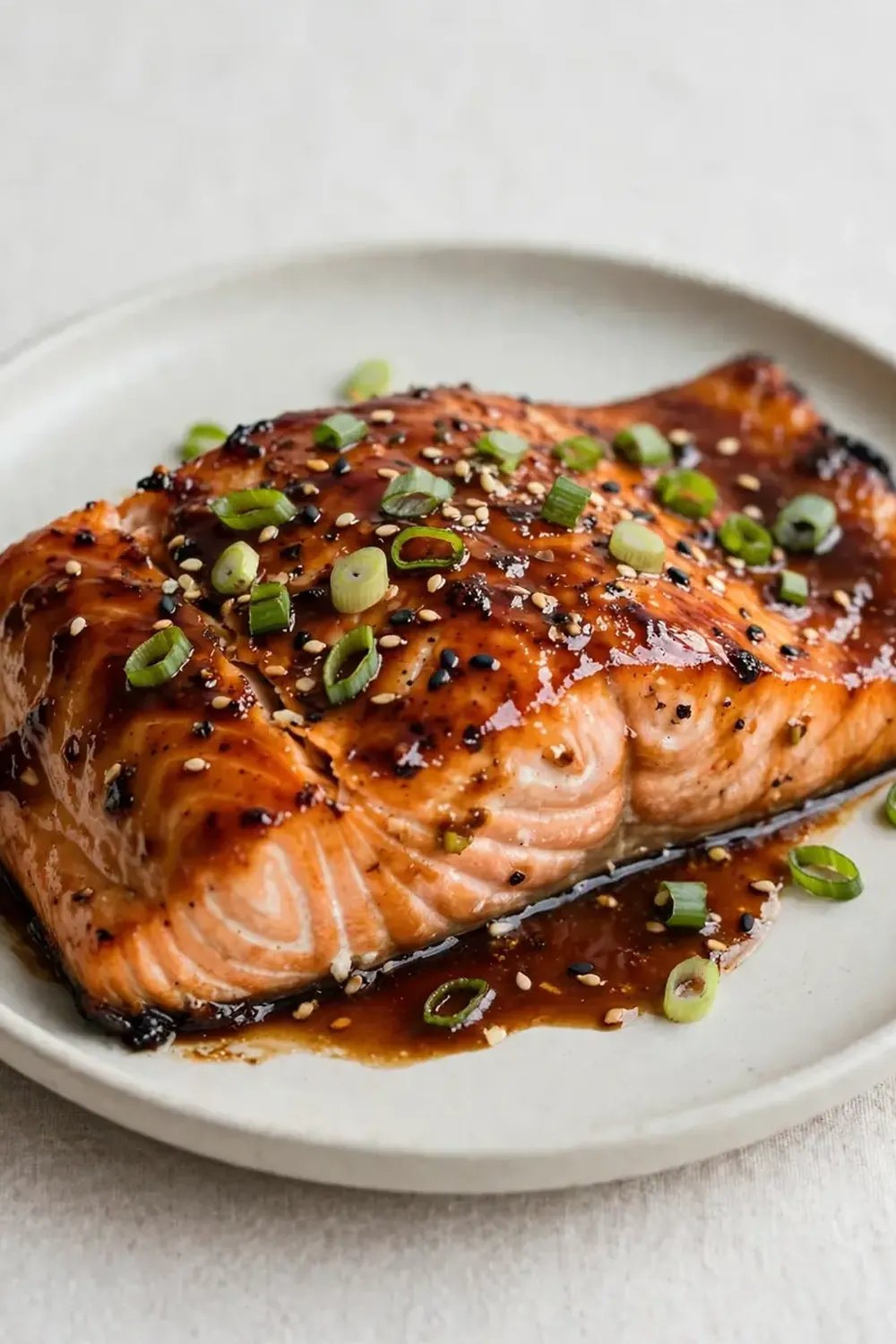
Ingredients You’ll Need
- 4 salmon fillets (about 150-175g each), skin on or off
- 120ml soy sauce (or tamari for gluten-free)
- 3 tablespoons honey
- 2 tablespoons rice vinegar
- 1 tablespoon sesame oil
- 2 cloves garlic, finely grated
- 1 teaspoon grated fresh ginger
- 1 tablespoon cornflour mixed with 2 tablespoons cold water (slurry)
- 1 tablespoon sesame seeds, for garnish
- 2 spring onions, thinly sliced, for garnish
- Steamed jasmine rice, to serve
- Steamed tenderstem broccoli or green beans, to serve
Tip: For the most even cooking, choose fillets that are similar in thickness. If your fillets have a thin tail end, simply fold it under itself before baking so it cooks at the same rate as the thicker centre.
How to Make Baked Teriyaki Salmon
- Preheat your oven to 200°C (400°F). While it heats, line a 9×13 inch baking dish with a large sheet of aluminium foil, leaving enough overhang to fold into a parcel later. This isn’t just for easy cleanup — the foil parcel traps steam to keep the salmon incredibly moist.
- Make the teriyaki sauce. In a small mixing bowl, whisk together the soy sauce, honey, rice vinegar, sesame oil, grated garlic, and grated ginger. The mixture should look dark amber and smell pungently sweet and savoury. Give it a taste — you want a balance of salty and sweet, with a gentle kick from the ginger.
- Place the salmon fillets in the lined baking dish, skin-side down if you’ve kept the skin on. Pour the teriyaki sauce over the fillets, turning them gently to coat each piece. The salmon should be glistening and evenly covered in the dark sauce. Let it sit for 5 minutes while the oven finishes preheating — this quick marinade is enough to infuse flavour.
- Fold the foil over the salmon to create a sealed parcel, crimping the edges tightly. Place the dish in the oven and bake for 12 minutes. During this time, the salmon will steam inside the parcel, turning from translucent orange to a delicate opaque pink. You’ll smell the sweet aroma of the sauce mingling with the fish.
- After 12 minutes, carefully open the foil parcel (mind the steam — it’s hot!). Spoon the pan juices over the fillets, then return the dish to the oven, uncovered, for another 3-5 minutes. Watch closely: the sauce will begin to bubble and thicken, turning glossy and sticky around the edges of the fish. The surface of the salmon should look caramelised and slightly darker at the edges.
- Test for doneness. The salmon is ready when it flakes easily with a fork and the internal temperature reaches 63°C (145°F) at the thickest part. The flesh should look uniformly opaque, not translucent in the centre. If you see any resistance when flaking, give it another minute.
- Let the salmon rest for 2 minutes in the baking dish. This short rest allows the juices to redistribute, ensuring every bite is moist. Meanwhile, spoon the thickened teriyaki glaze from the dish over the fillets. Sprinkle with sesame seeds and sliced spring onions for a fresh, crunchy finish.
Tips From My Kitchen
- Don’t skip the foil parcel step. Baking the salmon sealed in foil for the first 12 minutes creates a gentle steam environment. This prevents the delicate fish from drying out, which can happen if you bake it uncovered the whole time. The result is salmon that’s tender and moist, not tough and flaky.
- Make the sauce ahead of time. I whisk up a double batch of this teriyaki sauce on Sunday and keep it in a jar in the fridge. It keeps beautifully for up to a week and works just as well on chicken thighs or firm tofu. On a busy Tuesday, I simply pour it over the salmon and bake — no measuring required.
- Pat the salmon dry before saucing. Before you place the fillets in the dish, give them a gentle pat with kitchen paper. Removing excess moisture allows the teriyaki sauce to cling better to the fish, creating a more concentrated glaze rather than a watery sauce.
- Use a microplane for the garlic and ginger. Grating them into a fine paste rather than chopping ensures they dissolve into the sauce, giving you an even flavour without any harsh chunks of raw garlic. The paste also helps the sauce thicken more smoothly.
- Adjust the sweetness to your taste. If your family prefers a less sweet teriyaki, reduce the honey to 2 tablespoons. For a deeper savoury note, add an extra teaspoon of soy sauce. I used to struggle with this dish until I discovered that adjusting the honey-to-soy ratio makes all the difference.
- Double the sauce if serving with rice. The recipe above gives you just enough glaze for the salmon. If you want extra sauce to drizzle over your rice and vegetables, simply make one and a half times the sauce ingredients and set aside a few tablespoons before adding the cornflour slurry.
Equipment You’ll Need
- 9×13 inch baking dish
- Aluminium foil
- Mixing bowls (small and medium)
- Sharp knife
- Microplane or fine grater
- Whisk
- Kitchen tongs
- Instant-read thermometer (optional but helpful)
Common Mistakes to Avoid
- Overcrowding the pan: If your baking dish is too small and the fillets are touching, they’ll steam rather than caramelise, and the sauce won’t reduce properly. Leave at least 2cm of space between each fillet. If necessary, use two smaller dishes or bake in batches.
- Wrong temperature: Baking at too high a temperature (above 220°C) will cause the honey in the sauce to burn before the fish is cooked through. Too low (below 180°C) and the salmon will turn out dry and the sauce won’t thicken. Stick to 200°C for the perfect balance.
- Skipping the rest time: I know it’s tempting to serve immediately, but the 2-minute rest is crucial. Without it, the juices run out onto the plate, leaving the salmon drier than it should be. The rest allows the fibres to relax and the glaze to set slightly.
- Using old or thin fillets: Very thin fillets (under 2cm thick) will overcook in minutes. If that’s all you have, reduce the covered baking time to 8 minutes and check for doneness early. Fresher salmon also holds its shape better and tastes noticeably sweeter.
What to Serve With Baked Teriyaki Salmon
- Steamed jasmine rice or sticky white rice to soak up the extra glaze
- Quick-pickled cucumber ribbons for a bright, acidic contrast
- Steamed tenderstem broccoli or sugar snap peas, tossed with a little sesame oil
- A simple side salad with a ginger-lime dressing
- For a heartier meal, serve alongside Classic Chicken Pot Pie on a separate night — the contrast in flavours keeps the week interesting.
Still hungry for ideas? You might also love Creamy Baked Salmon Recipe, Baked Salmon With Potatoes from our sister kitchens.
Frequently Asked Questions
Baked Teriyaki Salmon
Ingredients
Method
- Preheat your oven to 200°C (400°F). While it heats, line a 9x13 inch baking dish with a large sheet of aluminium foil, leaving enough overhang to fold into a parcel later. This isn't just for easy cleanup — the foil parcel traps steam to keep the salmon incredibly moist.
- Make the teriyaki sauce. In a small mixing bowl, whisk together the soy sauce, honey, rice vinegar, sesame oil, grated garlic, and grated ginger. The mixture should look dark amber and smell pungently sweet and savoury. Give it a taste — you want a balance of salty and sweet, with a gentle kick from the ginger.
- Place the salmon fillets in the lined baking dish, skin-side down if you've kept the skin on. Pour the teriyaki sauce over the fillets, turning them gently to coat each piece. The salmon should be glistening and evenly covered in the dark sauce. Let it sit for 5 minutes while the oven finishes preheating — this quick marinade is enough to infuse flavour.
- Fold the foil over the salmon to create a sealed parcel, crimping the edges tightly. Place the dish in the oven and bake for 12 minutes. During this time, the salmon will steam inside the parcel, turning from translucent orange to a delicate opaque pink. You'll smell the sweet aroma of the sauce mingling with the fish.
- After 12 minutes, carefully open the foil parcel (mind the steam — it's hot!). Spoon the pan juices over the fillets, then return the dish to the oven, uncovered, for another 3-5 minutes. Watch closely: the sauce will begin to bubble and thicken, turning glossy and sticky around the edges of the fish. The surface of the salmon should look caramelised and slightly darker at the edges.
- Test for doneness. The salmon is ready when it flakes easily with a fork and the internal temperature reaches 63°C (145°F) at the thickest part. The flesh should look uniformly opaque, not translucent in the centre. If you see any resistance when flaking, give it another minute.
- Let the salmon rest for 2 minutes in the baking dish. This short rest allows the juices to redistribute, ensuring every bite is moist. Meanwhile, spoon the thickened teriyaki glaze from the dish over the fillets. Sprinkle with sesame seeds and sliced spring onions for a fresh, crunchy finish.
Notes
I’d love to hear how this Baked Teriyaki Salmon works for your family’s weeknight routine. Drop a comment below to share your own twist on the glaze or to let me know which side dish you paired it with. For another one-pan wonder that keeps cleanup to a minimum, you might also enjoy our Ground Beef Enchilada Casserole — it’s another speedy dinner that disappears fast.