Crispy Coconut Shrimp
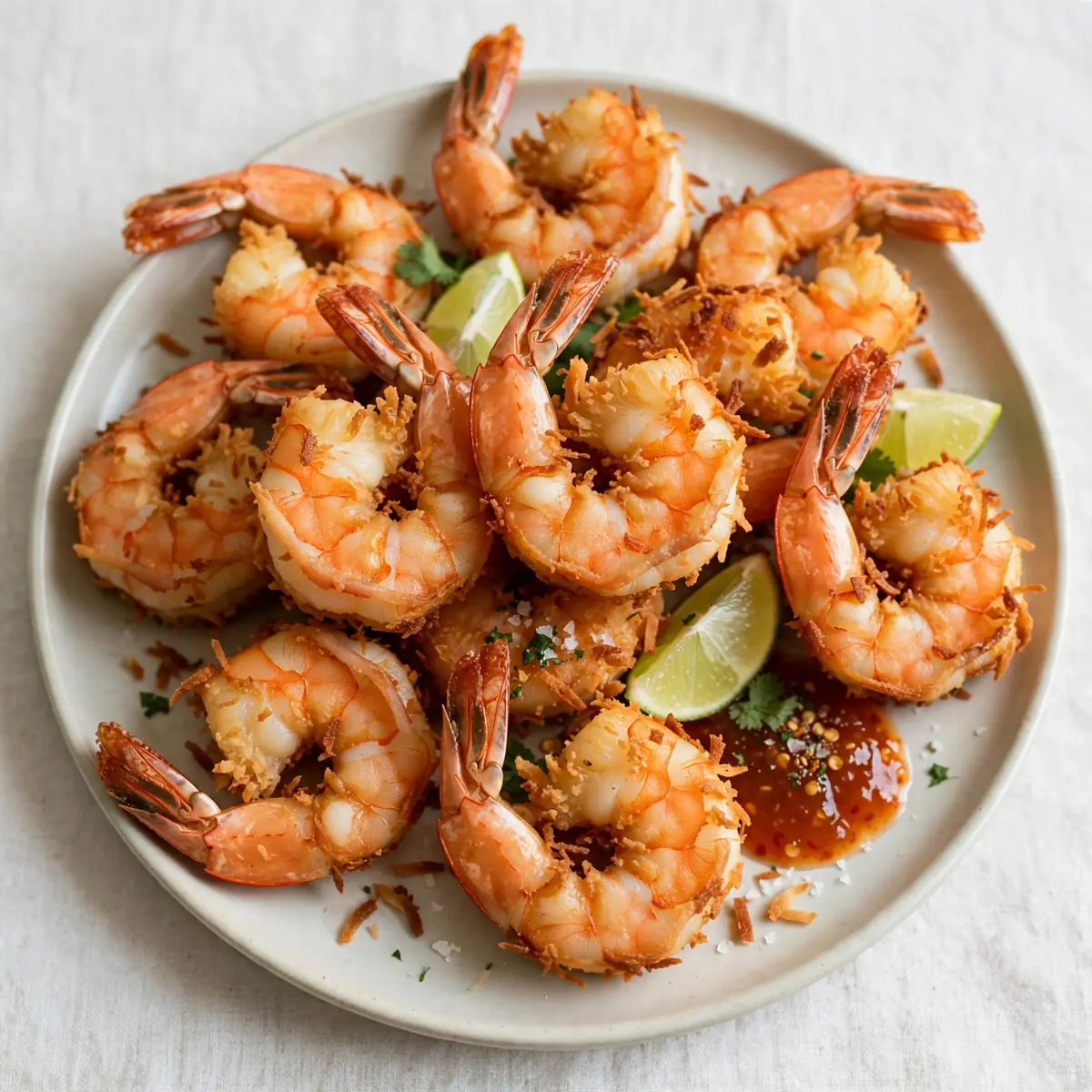
This recipe for crispy coconut shrimp is my secret weapon on frantic Tuesday nights when I need a proper meal on the table in under thirty minutes, and I’m not prepared to spend another second scrubbing pans.
Recipe Overview
- Prep Time: 15 minutes
- Cook Time: 8 minutes
- Total Time: 23 minutes
- Servings: 4
- Difficulty: Easy
Why You’ll Love This Crispy Coconut Shrimp
- Ready in under half an hour: From the moment you pull the prawns from the fridge to the first crunchy bite, it takes about twenty-three minutes. That’s faster than waiting for a takeaway delivery.
- One-pan cooking for easy washing up: You only need a single frying pan and a couple of bowls for the coating. No multiple saucepans, no greasy baking trays, no marathon washing session afterwards.
- Make-ahead friendly for busy evenings: You can coat the prawns earlier in the day and keep them in the fridge. When everyone walks through the door hungry, you just need to fry them.
- Kids genuinely love it: My kids absolutely devour this every time I make it. The natural sweetness of the coconut and the crunchy coating appeal to even the pickiest eaters at the table.
- Uses simple store-cupboard ingredients: You probably already have most of what you need. No hunting for obscure spices or expensive speciality items.
Ingredients You’ll Need
- 500g raw king prawns, peeled and deveined (tails left on if you prefer)
- 100g plain flour
- 2 large eggs
- 150g desiccated coconut (unsweetened)
- 80g panko breadcrumbs
- 1 teaspoon salt
- ½ teaspoon black pepper
- ½ teaspoon smoked paprika
- ¼ teaspoon cayenne pepper (optional, for a little warmth)
- Vegetable oil, for shallow frying (about 150ml)
- Lemon wedges, to serve
Tip: If your prawns are frozen, thaw them overnight in the fridge or place them in a colander under cold running water for about ten minutes. Pat them very dry with kitchen paper before you start — damp prawns make the coating slide off during frying.
How to Make Crispy Coconut Shrimp
- Set up your coating station. Place the flour in a shallow bowl. In a second bowl, beat the eggs until they are a uniform pale yellow and slightly frothy. In a third bowl, combine the desiccated coconut, panko breadcrumbs, salt, pepper, smoked paprika, and cayenne if using. Mix them together with a fork so the coconut and breadcrumbs are evenly distributed.
- Prepare the prawns. Pat the peeled prawns dry with kitchen paper — they should feel tacky, not wet. Working one at a time, dip a prawn into the flour, shaking off any excess so you see a thin, even dusting. Then dip it into the beaten egg, letting any excess drip back into the bowl. Finally, press it firmly into the coconut and breadcrumb mixture, turning to coat all sides. You want the coating to look thick and slightly shaggy.
- Rest the coated prawns. Place the coated prawns on a plate or tray in a single layer. Leave them to rest at room temperature for five minutes. This step allows the coating to adhere properly, so it stays on during cooking rather than floating away in the oil.
- Heat the oil. Pour the vegetable oil into a large frying pan until it is about 1cm deep. Heat it over a medium-high flame until a small pinch of breadcrumbs dropped into the oil sizzles immediately upon contact. The oil should shimmer gently but not smoke — that is your signal that it is ready.
- Fry the prawns in batches. Carefully place four or five prawns into the hot oil, making sure they do not touch each other. You should hear a steady, vigorous sizzle as they hit the pan. Fry for two to three minutes on the first side, until the underside turns a deep golden brown and the edges look crisp and toasted. Flip each prawn using tongs and fry for another two minutes on the second side, until the entire coating is an even golden colour and the prawns have curled slightly.
- Drain and keep warm. Transfer the cooked prawns to a plate lined with kitchen paper. The paper will absorb any excess oil, leaving the coating crunchy. Repeat with the remaining prawns, adding a little more oil to the pan if needed and letting it come back up to temperature between batches.
- Serve immediately. Squeeze a lemon wedge over the top just before serving. The acidity cuts through the richness of the coconut and balances the flavour beautifully.
Tips From My Kitchen
- Dry the prawns thoroughly before coating: Excess moisture is the enemy of a crispy coating. If the prawns are even slightly damp, the flour and egg will turn into a sticky paste rather than forming a dry base for the coconut. I pat each prawn individually with kitchen paper, and I change the paper if it becomes wet.
- Use panko breadcrumbs for extra crunch: Standard breadcrumbs work in a pinch, but panko breadcrumbs have a larger, flakier texture that creates a much lighter and crunchier coating. They do not absorb as much oil, so the finished prawns stay crisp for longer. Friends always ask me for this recipe after trying it at dinner parties, and the panko is the secret they are surprised to hear.
- Do not skip the resting time: Those five minutes after coating are not wasted time. They allow the flour to absorb moisture from the egg, which helps the entire coating stick firmly to the prawn. If you fry immediately, you risk the coconut falling off into the oil and burning.
- Keep the oil at a steady temperature: If the oil is too cool, the coating will absorb oil and become greasy rather than crisp. If it is too hot, the outside will burn before the prawn is cooked through. I keep the flame at medium-high and test the temperature with a breadcrumb before each batch.
- Work in small batches: Adding too many prawns at once drops the oil temperature dramatically, leading to soggy results. I fry no more than five prawns at a time in a standard 28cm pan. The sizzle should be lively and constant — if it goes quiet, you have overcrowded the pan.
- Make ahead for stress-free cooking: You can coat the prawns up to four hours in advance. Arrange them on a baking tray lined with baking paper, cover loosely with cling film, and keep them in the fridge. When you are ready to cook, let them sit at room temperature for ten minutes while the oil heats, then fry as usual.
Common Mistakes to Avoid
- Overcrowding the pan: When you crowd the pan, the prawns steam rather than fry. The coating becomes soft and pale, and the prawns release moisture that turns the oil into a bubbling mess. Fry in small, well-spaced batches, and give the oil time to come back up to temperature between each batch.
- Wrong temperature: If your oil is not hot enough, the prawns will sit in the pan absorbing oil like a sponge, resulting in a heavy, greasy coating. If it is too hot, the coconut will scorch and turn bitter before the prawn is cooked. Aim for a steady 175°C if you use a thermometer, or rely on the breadcrumb test — it should sizzle immediately but not burn within five seconds.
- Skipping the rest time: I know it feels like an unnecessary extra step when you are hungry, but resting the coated prawns makes a real difference. Without this pause, the coating is fragile and tends to separate from the prawn during frying, leaving you with bare prawns and burnt crumbs floating in the oil.
What to Serve With Crispy Coconut Shrimp
- A simple green salad with a sharp lime and coriander dressing
- Steamed jasmine rice or sticky coconut rice
- Sweet chilli sauce or a creamy mango dip for dunking
- Stir-fried vegetables like sugar snap peas and pak choi
- If you are in the mood for a full spread, this pairs beautifully with a Grilled Flank Steak With Garlic Marinade for a surf and turf dinner that feels special but comes together quickly
Frequently Asked Questions
Can I bake these instead of frying?
Yes, you can bake them for a lighter version. Arrange the coated prawns on a wire rack set over a baking tray, spray lightly with oil, and bake at 220°C (200°C fan) for about ten minutes, flipping halfway through. They will be golden and crisp, though not quite as crunchy as the pan-fried version.
Can I use sweetened coconut instead of unsweetened?
You can, but it will change the flavour considerably. Sweetened coconut contains added sugar that can burn quickly in the hot oil, giving the coating a dark, caramelised appearance before the prawn is cooked through. I recommend unsweetened desiccated coconut for a cleaner, more savoury result.
How do I reheat leftover crispy coconut shrimp?
The best way to reheat them is in a hot oven or an air fryer. Place them on a wire rack over a baking tray and heat at 200°C for about five minutes, until they are hot and the coating crisps up again. Avoid the microwave, which will make the coating soft and chewy.
Can I freeze the coated prawns before cooking?
Absolutely, and this is a great time-saver for busy weeks. Arrange the coated prawns in a single layer on a baking tray and freeze until solid, then transfer them to a freezer bag. Cook them from frozen, adding an extra minute or two to the frying time, and checking that the prawns are opaque all the way through.
What if I cannot find panko breadcrumbs?
If panko is unavailable, you can use regular dried breadcrumbs, though the texture will be slightly finer and less crunchy. Alternatively, blitz a couple of slices of stale bread in a food processor to make your own coarse crumbs, which work beautifully as a substitute.
Crispy Coconut Shrimp
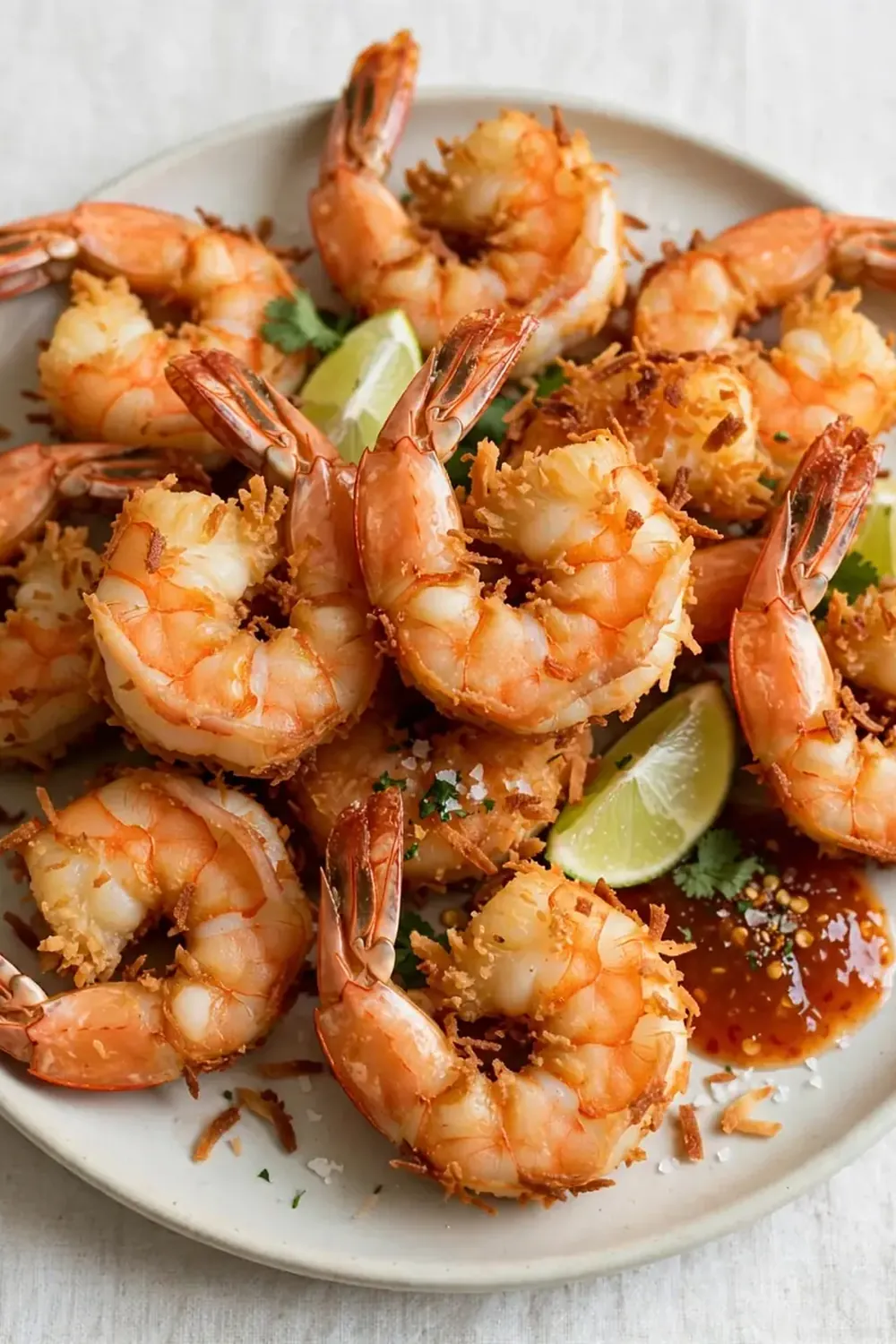
Crispy coconut shrimp with a golden, shaggy coating of coconut and panko, served with lemon wedges for a bright finish.
Ingredients
Method
- Set up your coating station. Place the flour in a shallow bowl. In a second bowl, beat the eggs until they are a uniform pale yellow and slightly frothy. In a third bowl, combine the desiccated coconut, panko breadcrumbs, salt, pepper, smoked paprika, and cayenne if using. Mix them together with a fork so the coconut and breadcrumbs are evenly distributed.
- Prepare the prawns. Pat the peeled prawns dry with kitchen paper — they should feel tacky, not wet. Working one at a time, dip a prawn into the flour, shaking off any excess so you see a thin, even dusting. Then dip it into the beaten egg, letting any excess drip back into the bowl. Finally, press it firmly into the coconut and breadcrumb mixture, turning to coat all sides. You want the coating to look thick and slightly shaggy.
- Rest the coated prawns. Place the coated prawns on a plate or tray in a single layer. Leave them to rest at room temperature for five minutes. This step allows the coating to adhere properly, so it stays on during cooking rather than floating away in the oil.
- Heat the oil. Pour the vegetable oil into a large frying pan until it is about 1cm deep. Heat it over a medium-high flame until a small pinch of breadcrumbs dropped into the oil sizzles immediately upon contact. The oil should shimmer gently but not smoke — that is your signal that it is ready.
- Fry the prawns in batches. Carefully place four or five prawns into the hot oil, making sure they do not touch each other. You should hear a steady, vigorous sizzle as they hit the pan. Fry for two to three minutes on the first side, until the underside turns a deep golden brown and the edges look crisp and toasted. Flip each prawn using tongs and fry for another two minutes on the second side, until the entire coating is an even golden colour and the prawns have curled slightly.
- Drain and keep warm. Transfer the cooked prawns to a plate lined with kitchen paper. The paper will absorb any excess oil, leaving the coating crunchy. Repeat with the remaining prawns, adding a little more oil to the pan if needed and letting it come back up to temperature between batches.
- Serve immediately. Squeeze a lemon wedge over the top just before serving. The acidity cuts through the richness of the coconut and balances the flavour beautifully.
Notes
Rest the coated prawns for 5 minutes before frying to help the coating adhere. Adjust cayenne to taste for extra heat.
I would love to hear how this crispy coconut shrimp works out for your family on those hectic weeknights. Drop a comment below and let me know if your kids loved it as much as mine do, or if you have your own twist on the coating that makes it even better.